Showing posts with label Journeyman. Show all posts

Thursday, February 25, 2021

History Month #6 2020-2021 Journeyman (Geography) Israel

Journeyman


Study/Learn

Do all of the following:

1 - Study a map of Israel and work on memorizing the countries that surround it and be able to find it on a world map.  

2 - Print and study a blank map of Israel for your commonplace book and mark the following things:
      (This map is your ticket into class, so make sure you have it and it's filled out.)
  • major bodies of water and rivers
  • 5 major cities
  • 3 crops and where they are grown
  • major mountain ranges and other physical features (deserts, plains, peninsulas, etc)
  • LDS temple(s)
  • Geography from the Ancient World.  (You'll probably have to look these up online.) Make sure to include:
    • Egypt
    • Canaan
    • Red Sea
    • Bethlehem
    • Jerusalem
    • Mediterranean Sea
3 - Here are some articles to help you better understand the history of the conflict between Israel & Palestine since it's in the news almost every day and it's an ongoing issue.  Please read/watch one of the following and prepare for a class discussion. (You can do more if you want to, but are only required to do one):
4 - Study maps of Ancient Israel through the time of Christ, from time of Christ to 1947, and a modern map. Print these for your CPB.

Know/Understand
Write for 5 minutes from the perspective of an Israeli. How do you feel about the creation of Israel and the war that began the next day? Then, switch sides and write for 5 minutes from the perspective of a Palestinian. How do you feel about the creation of Israel and the resulting war?

As an LDS youth, with the perspective of the revelations in the scriptures for the destiny of the Jewish people, what are your thoughts on the formation of the state of Israel?  Journal for 5 minutes.


Tuesday, February 23, 2021

History Month #5 2020-2021 Journeyman (Geography) Central America

Journeyman

Study/Learn

Do all of the following:

1 - Study a map of Central America and work on memorizing the countries and be able to find them on a world map.  Specifically study Guatemala and the areas of the Mayan Empire.  

2 - Print and study a blank map of Central America for your commonplace book and mark the following things:
      (This map is your ticket into class, so make sure you have it and it's filled out.)
  • major bodies of water and rivers
  • 5 major cities
  • 3 crops and where they are grown
  • major mountain ranges and other physical features (deserts, plains, peninsulas, etc)
  • LDS temple(s)
  • Geography from the Ancient World.  (You'll probably have to look these up online.) Make sure to include:
    • Panama Canal
    • Chechen Itza
    • Tikal
    • Lake Atitlan
    • Lamanai
    • Xunantunich
    • El Mirador
3 - Watch this video "Discover Guatemala"  (3 min)

Know/Understand
Please choose one of the following:
    • Learn a Mayan dance that you can teach the class. (Tell Sis. Cloward what you're teaching ahead of time and what music you're using so I can have it ready.)
    • Come to class and teach us how to say your name, count to ten, say hello, good bye and a few other phrases in Mayan.
    • Bring a children's picture book representing Guatemala or the Maya to class and read it to us.
    • Bring food from Guatemala for the whole class.  (Tell Sis. Cloward what you're bringing ahead of time. This will be included as part of lunch.)
    • Look up and come ready to present on the animals of Guatemala.  What are they used for and why?
    • Look up and come ready to present on the climate of Guatemala.  Bring pictures to back up you information.
    • Think of something creative you can teach us about Guatemala or the Maya. 


    Thursday, November 12, 2020

    History Month #4 2020-2021 Journeyman (Geography) Mediterranean Sea

    Journeyman


    Study/Learn

    Do all of the following:

    1 - Study a map of Mediterranean Sea and work on memorizing the countries that surround it and be able to find it on a world map.  

    2 - Print and study a blank map of the Mediterranean Sea for your commonplace book and mark the following things:
          (This map is your ticket into class, so make sure you have it and it's filled out.)
    • Geography from the Ancient World.  (You'll probably have to look these up online.) Make sure to include:
      • Aegean Sea
      • Crete
      • Athens
      • Thera
      • Mycenae
      • Thebes
      • Greece
      • Mediterranean  Sea
      • Mt. Olympus
      • Troy
      • Sparta
      • Marathon
      • Salamis
      • Alexandria
      • Monaco
      • Algiers
      • Gibraltar
      • Malta
      • Rome
      • Sicily
      • Italy
      • Alps
      • Tiber River
      • Spain 
      • Britain
      • Rubicon River
      • Roman Empire
      • Eastern Roman Empire
      • Constantinople
      • Western Roman Empire
    3 - Watch this video about the Mediterranean Sea (4 min)

    Know/Understand
    • Research a person or civilization in ancient history that involves the Mediterranean Sea.  Prepare a story about that person/civilization and tell us the story on a video uploaded to our Vanguard YouTube channel.  We'll watch them in class.  You can act, dress up, provide pictures, etc.  Keep your videos short (3-4 minutes) and do not bore us.  
    FUN FACT:
    If the Mediterranean Sea were laid on top of the United States, it would stretch from ocean to ocean and almost from top to bottom.  The Mediterranean Sea is HUGE!


    Thursday, October 15, 2020

    History Month #3 2020 Journeyman (Geography) India

     Journeyman

    Study/Learn

    Do all of the following:

    1 - Study a map of India and work on memorizing the countries that surround it and be able to find it on a world map.  

    2 - Print and study a blank map of India for your commonplace book and mark the following things:
          (This map is your ticket into class, so make sure you have it and it's filled out.)
    • major bodies of water and rivers
    • 5 major cities
    • 3 crops and where they are grown
    • major mountain ranges and other physical features (deserts, plains, peninsulas, etc)
    • LDS temple(s)
    • Geography from the Ancient World.  (You'll probably have to look these up online.) Make sure to include:
      • Arabian Sea
      • Bay of Bengal
      • Indus River & the Indus River Valley
      • Mohenjo-Daro
      • Ganges River
      • Indian Ocean
      • Himalaya Mountains
      • Mt. Everest
    3 - Watch this video about the 10 Best Places to Visit in India (13 min)

    4 - Read this overview of Hinduism OR watch this video about it and make a list of 5 things your religion has in common with the Hindu.  

    5 - Look online and see if you can find anything out about the LDS church in India.  Are there members there?  How many?  How many missionaries serve there?  How many missions are there?  How many stakes and wards?  


    We'll be having a guest speaker for class today, so there will be no presentations.

    Thursday, September 10, 2020

    History Month #2 2020 Journeyman (Geography) Egypt

    Journeyman

    Study/Learn

    Do all of the following:

    1 - Study a map of Egypt and work on memorizing the countries that surround it and be able to find it on a world map.  

    2 - Print and study a blank map of Egypt for your commonplace book and mark the following things:
          (This map is your ticket into class, so make sure you have it and it's filled out.)
    • major bodies of water and rivers
    • 5 major cities
    • 3 crops and where they are grown
    • major mountain ranges and other physical features (deserts, plains, peninsulas, etc)
    • LDS temple(s)
    • Geography from the Ancient World.  (You'll probably have to look these up online.) Make sure to include:
      • Nile River
      • Nile Delta
      • Upper Egypt
      • Lower Egypt
      • Cheops Great Pyramid
      • Nubia
      • Canaan
      • Valley of the Kings
      • Mediterranean Sea
      • Red Sea
    3 - Watch this video about the 10 Best Places to Visit in Egypt (15 min)

    Know/Understand
    Please choose one of the following:
    • Learn an Egyptian dance that you can teach the class. (Tell Sis. Cloward what you're teaching ahead of time and what music you're using so I can have it ready.)
    • Come to class and teach us how to say your name, count to ten, say hello, good bye and a few other phrases in Egyptian.
    • Bring a children's picture book representing Egypt to class and read it to us.
    • Bring food from Egypt for the whole class.  (Tell Sis. Cloward what you're bringing ahead of time. This will be included as part of lunch.)
    • Look up and come ready to present on the animals of Egypt.  What are they used for and why?
    • Look up and come ready to present on the climate of Egypt.  We usually think of Egypt being a desert, is it all a desert?  Bring pictures to back up you information.
    • Think of something creative you can teach us about Egypt.  


    Saturday, August 8, 2020

    History Month #1 2020 Journeyman (Geography) Middle East

    Journeyman


    Study/Learn

    Do all of the following:

    1 - Study a map of the Middle East and work on memorizing the countries.  You can find a good map here.

    2 - Print a blank map for your commonplace book and mark the following things:
          (This map is your ticket into class, so make sure you have it and it's filled out.)
    • major bodies of water and rivers
    • 10 major cities
    • 5 crops and where they are grown
    • major mountain ranges and other physical features (deserts, plains, peninsulas, etc)
    • LDS temple(s)
    • Geography from the Ancient World.  (You'll probably have to look these up online.) Make sure to include:
      • Fertile Crescent
      • Sumer
      • Kish
      • Mesopotamia
      • Akkadia
      • Babylon
      • Ur/Haran
      • Canaan
      • Babylon
      • Carthage
      • Tyre
      • Phoenicia
      • Nineveh
      • Assyria
      • Jerusalem 
    3 - Watch this video about the Top 10 places to visit in the Middle East (6 min)

    Know/Understand
    Please choose one of the following:

    AS YOU'RE CHOOSING COUNTRIES TO STUDY ABOUT THIS MONTH, DON'T CHOOSE EGYPT or ISRAEL.  THEY EACH GET THEIR OWN MONTH.
    • Choose one of the following to do a 2-3 minute report on: (don't get long winded.  5 min max on presentations...I will cut you off!  We want to make sure and have time for the activity.)
      • The Ottoman Empire
      • The Byzantine Empire
      • The Abbasid Caliphate
      • The Fatimid Caliphate
      • The Umayyad Caliphate
    • Learn a Middle Eastern Dance that you can teach the class.  Some ideas can be found here. (Tell Sis. Cloward what you're teaching ahead of time and what music you're using so I can have it ready.)
    • Choose a language spoken in the  Middle East and come to class and teach us how to say your name, count to ten, say hello, good bye and a few other phrases in that language.
    • Bring a children's picture book representing one of the Middle Eastern countries to class and read it to us.
    • Bring food from one of the Middle Eastern countries for the whole class.  (Tell Sis. Cloward what you're bringing ahead of time. This will be used as part of lunch.)


      Thursday, March 12, 2020

      April 2020 Journeyman - South American Geography

      Journeyman

      Study/Learn

      Do all of the following:

      1 - Study a map of South America and work on memorizing the countries


      2 - Print a blank map for your commonplace book and mark the following things:
      • major bodies of water and rivers
      • 10 major cities
      • 5 crops and where they are grown
      • major mountain ranges and other physical features (deserts, plains, peninsulas, etc)
      • LDS temple(s)
      3 - Learn the Brazilian dance, the Samba: (come on!  Don't complain, I know you all need exercise after being stuck inside!)
      Know/Understand

      Choose one of the following countries with your siblings to do a 5-7 minute presentation on.  Sign up on the doc.

      RECORD YOURSELF DOING YOUR PRESENTATION AND UPLOAD IT TO THE YOU TUBE CHANNEL AND WE WILL WATCH THEM.


      Monday, February 10, 2020

      March 2020 Journeyman - African Geography

      Journeyman

      Study/Learn

      Do all of the following:

      1 - Study a map of Africa and work on memorizing the countries

      2 - Print a blank map for your commonplace book and mark the following things:
      • major bodies of water and rivers
      • 10 major cities
      • 5 crops and where they are grown
      • major mountain ranges and other physical features (deserts, plains, peninsulas, etc)
      • LDS temple(s)


      Know/Understand

      Choose one of the following countries to do a 2-3 minute presentation on.  Upload it to the YouTube channel and sign up for a country on the this doc

      • Algeria
      • Angola
      • Benin
      • Botswana
      • Burkina Faso
      • Burundi
      • Cabo Verde
      • Cameroon
      • Central African Republic (CAR)
      • Chad
      • Comoros
      • Congo, Democratic Republic of the
      • Congo, Republic of the
      • Cote d'Ivoire
      • Djibouti
      • Egypt
      • Equatorial Guinea
      • Eritrea
      • Eswatini (formerly Swaziland)
      • Ethiopia
      • Gabon
      • Gambia
      • Ghana
      • Guinea
      • Guinea-Bissau
      • Kenya
      • Lesotho
      • Liberia
      • Libya
      • Madagascar
      • Malawi
      • Mali
      • Mauritania
      • Mauritius
      • Morocco
      • Mozambique
      • Namibia
      • Niger
      • Nigeria
      • Rwanda
      • Sao Tome and Principe
      • Senegal
      • Seychelles
      • Sierra Leone
      • Somalia
      • South Africa
      • South Sudan
      • Sudan
      • Tanzania
      • Togo
      • Tunisia
      • Uganda
      • Zambia
      • Zimbabwe
      For your presentation, you can do ONE of the following -
      • tell us a folk tale from that country
      • teach us a dance from that country
      • tell us about the flag and what they symbols mean
      • tell us about a prominent figure in it's history
      • give us 5 important dates for our time line from this country in the 20th or 21st century and tell us why they are important
      • teach us how to count and write to 10 and say and write "hello" and "good bye" in the native language
      • bring 10-12 items from that country to create a display and explain to us what you brought
      • what kind of government does your country have and who is it's political leader(s)
      • tourist destinations in your country.  What would I HAVE to see there if I visited?
      • tell us (and show us with pictures) about the money in your country.  How does it compare to our American dollar?


      Monday, January 13, 2020

      February 2020 Journeyman - Australia/Oceania Geography

      Journeyman

      Study/Learn

      Do all of the following:


      1 - Study a map of Australia/Oceania and work on memorizing the countries

      2 - Print a blank map for your commonplace book and mark the following things:
      • major bodies of water and rivers
      • 10 major cities
      • 5 crops and where they are grown
      • major mountain ranges and other physical features (deserts, plains, peninsulas, etc)
      • LDS temple(s)


      Know/Understand

      Choose one of the following countries to do a 2-3 minute presentation on.  Put your choice on the google doc so we don't overlap.  Since there are very few countries this month and very many students, you can work with someone on the same country or do a country by yourself that someone else is also doing.

      RECORD YOURSELF DOING YOUR PRESENTATION AND PUT IT ON THE YOUTUBE CHANNEL (instructions in the toolbox)  AND WE WILL WATCH THEM IN CLASS.
      • Australia
      • Fiji
      • Kiribati
      • Marshall Islands
      • Micronesia
      • Nauru
      • New Zealand
      • Palau
      • Papua New Guinea
      • Samoa
      • Solomon Islands
      • Tonga
      • Tuvalu
      • Vanuatu


      For your presentation, please do ONE of the following -

      • tell us a folk tale from that country
      • teach us a dance from that country
      • tell us about the flag and what they symbols mean
      • tell us about a prominent figure in it's history
      • give us 5 important dates for our time line from this country in the 20th or 21st century and tell us why they are important
      • teach us how to count and write to 10 and say and write "hello" and "good bye" in the native language
      • bring 10-12 items from that country to create a display and explain to us what you brought
      • what kind of government does your country have and who is it's political leader(s)
      • tourist destinations in your country.  What would I HAVE to see there if I visited?
      • tell us (and show us with pictures) about the money in your country.  How does it compare to our American dollar?


      Friday, November 1, 2019

      January 2020 Journeyman - Asia Geography

      Journeyman

      Study/Learn

      Do all of the following:

      1 - Study a map of Asia and work on memorizing the countries with any method that works for you.

      2 - Print a blank map for your commonplace book and mark the following things:
      • major bodies of water and rivers
      • 10 major cities
      • 5 crops and where they are grown
      • major mountain ranges and other physical features (deserts, plains, peninsulas, etc)
      • LDS temple(s)

      Know/Understand

      Choose one of the countries in Asia to do a 2-3 minute presentation on.  Put what you chose in the google doc so we don't overlap.

      Record yourself doing the presentation and upload it to the YouTube channel so we can watch it in class.

      ***IF ANYONE IS GOING TO TEACH A DANCE, PLEASE TEXT SIS. CLOWARD AND LET HER KNOW.

      For your presentation, please do ONE of the following -
      • tell us a folk tale from that country
      • teach us a dance from that country***
      • tell us about the flag and what they symbols mean
      • tell us about a prominent figure in it's history
      • give us 5 important dates for our time line from this country in the 20th or 21st century and tell us why they are important
      • teach us how to count and write to 10 and say and write "hello" and "good bye" in the native language
      • bring 10-12 items from that country to create a display and explain to us what you brought
      • what kind of government does your country have and who is it's political leader(s)
      • tourist destinations in your country.  What would I HAVE to see there if I visited?
      • tell us (and show us with pictures) about the money in your country.  How does it compare to our American dollar?

      Friday, September 27, 2019

      November 2019 (Oct 31 class) Journeyman - North American/Central American Geography

      Journeyman


      Study/Learn


      Do all of the following:


      1 - Study a map of North America and Central America and work on memorizing the countries

      2 - Print a blank map for your commonplace book and mark the following things:
      • major bodies of water and rivers
      • 10 major cities
      • 5 crops and where they are grown
      • major mountain ranges and other physical features (deserts, plains, peninsulas, etc)
      • LDS temple(s)
      3 - Practice where the countries are on this little online quiz


      Know/Understand

      Choose one of the following countries to do a 2-3 minute presentation on.

      RECORD YOURSELF DOING YOUR PRESENTATION AND UPLOAD IT TO THE YOUTUBE CHANNEL.  (For instructions, click here.) WE WILL WATCH THEM IN CLASS.
       For your presentation, please do ONE of the following -

      • tell us a folk tale from that country
      • teach us a dance from that country
      • tell us about the flag and what they symbols mean
      • tell us about a prominent figure in it's history
      • give us 5 important dates for our time line from this country in the 20th or 21st century and tell us why they are important
      • teach us how to count and write to 10 and say and write "hello" and "good bye" in the native language
      • bring 10-12 items from that country to create a display and explain to us what you brought
      • what kind of government does your country have and who is it's political leader(s)
      • tourist destinations in your country.  What would I HAVE to see there if I visited?
      • tell us (and show us with pictures) about the money in your country.  How does it compare to our American dollar?


      Friday, June 21, 2019

      October 2019 Journeyman (Sept 26 class) - European Geography

      Journeyman


      Study/Learn

      Do all of the following:

      1 - Study a map of Europe and work on memorizing the countries.  There are videos and songs on YouTube you can use.  We will have a quiz in class and the person/people who get the most countries right get a prize.

      2 - Print a blank map of Europe for your commonplace book and mark the following things:
          A great place to download maps is here.
      • major bodies of water and rivers
      • 10 major cities
      • 5 crops and where they are grown
      • major mountain ranges and other physical features (deserts, plains, peninsulas, etc)
      • LDS temple(s)
      3 - Read through this power-point on Europe.  Take notes on things you learn and print maps for your commonplace book that interest you.

      Know/Understand

      Choose one of the following countries to do a 2-3 minute presentation on.  Text Sis. Cloward (801-404-8809) with your choice so we don't overlap.

      RECORD YOURSELF DOING YOUR PRESENTATION AND UPLOAD IT TO OUR VANGUARD YOUTUBE CHANNEL (instruction found here) AND WE WILL WATCH THEM IN CLASS.
      • Albania
      • Andorra
      • Armenia
      • Austria - ANNEKA 
      • Azerbaijan - TARA
      • Belarus
      • Belgium
      • Bosnia and Herzegovina
      • Bulgaria
      • Croatia - SAM
      • Cyprus
      • Czechia
      • Denmark - ISA
      • Estonia - PAIGE
      • Finland
      • France - AFTON 
      • Georgia
      • Germany - JACOB 
      • Greece - ELENA & SARAH
      • Hungary - CALEB
      • Iceland
      • Ireland - CHRIS
      • Italy - KYLEE
      • Kazakhstan
      • Kosovo
      • Latvia
      • Liechtenstein
      • Lithuania
      • Luxembourg
      • Malta
      • Moldova
      • Monaco
      • Montenegro
      • Netherlands - ERYN
      • North Macedonia (formerly Macedonia)
      • Norway
      • Poland
      • Portugal - JAYKOB
      • Romania
      • Russia - JEFFERSON
      • San Marino
      • Serbia
      • Slovakia
      • Slovenia
      • Spain
      • Sweden
      • Switzerland
      • Turkey - EVELYN
      • Ukraine
      • United Kingdom (UK) - KENSI 
      • Vatican City (Holy See) - JAYSON

      For your presentation, please do ONE of the following - 
      • tell us a folk tale from that country
      • teach us a dance from that country
      • tell us about the flag and what they symbols mean
      • tell us about a prominent figure in it's history
      • give us 5 important dates for our time line from this country in the 20th or 21st century and tell us why they are important
      • teach us how to count and write to 10 and say and write "hello" and "good bye" in the native language
      • bring 10-12 items from that country to create a display and explain to us what you brought
      • what kind of government does your country have and who is it's political leader(s)
      • tourist destinations in your country.  What would I HAVE to see there if I visited?
      • tell us (and show us with pictures) about the money in your country.  How does it compare to our American dollar?


      Sunday, March 10, 2019

      1933-1945 Africa

      “This fascinating and original volume profoundly challenges inherited understandings of the Holocaust as a purely European phenomenon. Offering far-ranging original research, the contributors illustrate how one of modernity’s defining horrors played out in North Africa. In so doing, they convincingly show that Vichy’s race laws, anti-Semitic agitation, and deportations represented ruptures—but also continuities—with North Africa’s colonial order.”
      Joshua Schreier, Vassar College
      “The Holocaust and North Africa extends the geographical and historical horizons of Holocaust studies. It challenges a Eurocentric focus, exploring the diverse persecution experiences and memories of Jews in North and West Africa, and raises interesting questions about the interdependencies of Nazi, Vichy, and fascist policies with colonial practices.”
      Wolf Gruner, Founding Director, USC Shoah Foundation Center for Advanced Genocide Research

      These two powerful quotes are a precursor to what we're gonna be talking about- the history and role of Africa in World War 2. 
      I've wanted to do a class on African history since the beginning of the year and I am so, so excited for this and I hope you are as well. We'll  be doing Journeyman work during the Master's hour. The reason I am so excited to talk about Africa is because, well, no one knows about it. North, South, West, and East all played a vital role in the defeat of the Axis powers. And Africa especially, a country that had been invaded and colonized for years, understood more than anyone the liberty that you give yourself when you stand up for what is right. Fighting against Facism led to Nelson Mandela's movements to end Apartid, a set of racist laws meant to diminish and dehumanize black people that succeeded for a long time. It is not right, prudent, or acceptable to skip over a chapter of history for fear of being uncomfortable, especially when thousands of soldiers gave their lives to protect the peace and freedom of the entire world. Just as we need to honor American, Asian, and European soldiers, African soldiers deserve just as much honor and respect; the conditions and bias that they faced being unimaginable to many of us. I hope that you will find this all as interesting, thought provoking, and worth studying as I did. 
      "Many Africans enlisted – or were conscripted by their colonial ruler, Britain – to fight the Axis countries in World War 2. They were instrumental in bringing an end to the war, which was fought across Africa, Europe and the East, yet there is not much known about their contribution." 
      Let's face it, we love to focus on European history because many of our families came from those areas, but if we only learn about the history that is convienant or easy to hear, then you should just leave now because none of it is easy to learn. As Albert Einstein said, "Those who do not learn from history are doomed to repeat it." Yeah, we don't really know Africa's history, but are we gonna ignore the history of an entire continent just because we stumble over their names? 
       “In the first few years of the war, the Royal Air Force [RAF] recruited 10 000 West Africans for ground duties in the British West Africa colonies of the Gold Coast [now Ghana], Nigeria, Sierra Leone, and the Gambia.
      Quartey said the Gold Coast king, Asantehene, was indispensable because he mobilised the population and helped to construct airfields, harbours and roads.
      Italy, itself a colonial power, attacked British positions in Egypt, Kenya and Sudan in 1940. These acts of aggression prompted the British war-time prime minister, Winston Churchill, to form an air supply route from the city of Takoradi in Gold Coast to Cairo in Egypt
      Actually, this entire article is good, read it and bring a couple things that you didn't know before africa-played-a-role-in-ending-world-war-2
      "The end of the Second World War inspired many African countries to intensify their struggles for independence from their colonial owners. “Initially I saw the white man as someone better than me. But after the war, I considered him an equal,” recalled former infantryman Dauda Kafanchan.
      Kasrils said: “The victory over fascism saved the world from slavery and catastrophe. It spelled the end of the colonial system and saw the emergence of African independence and armed liberation struggles such as ours that were primarily armed and supported by the Soviet Union and the socialist camp.”   He concluded that these historic lessons should never be forgotten, especially the connection to the struggle for freedom."
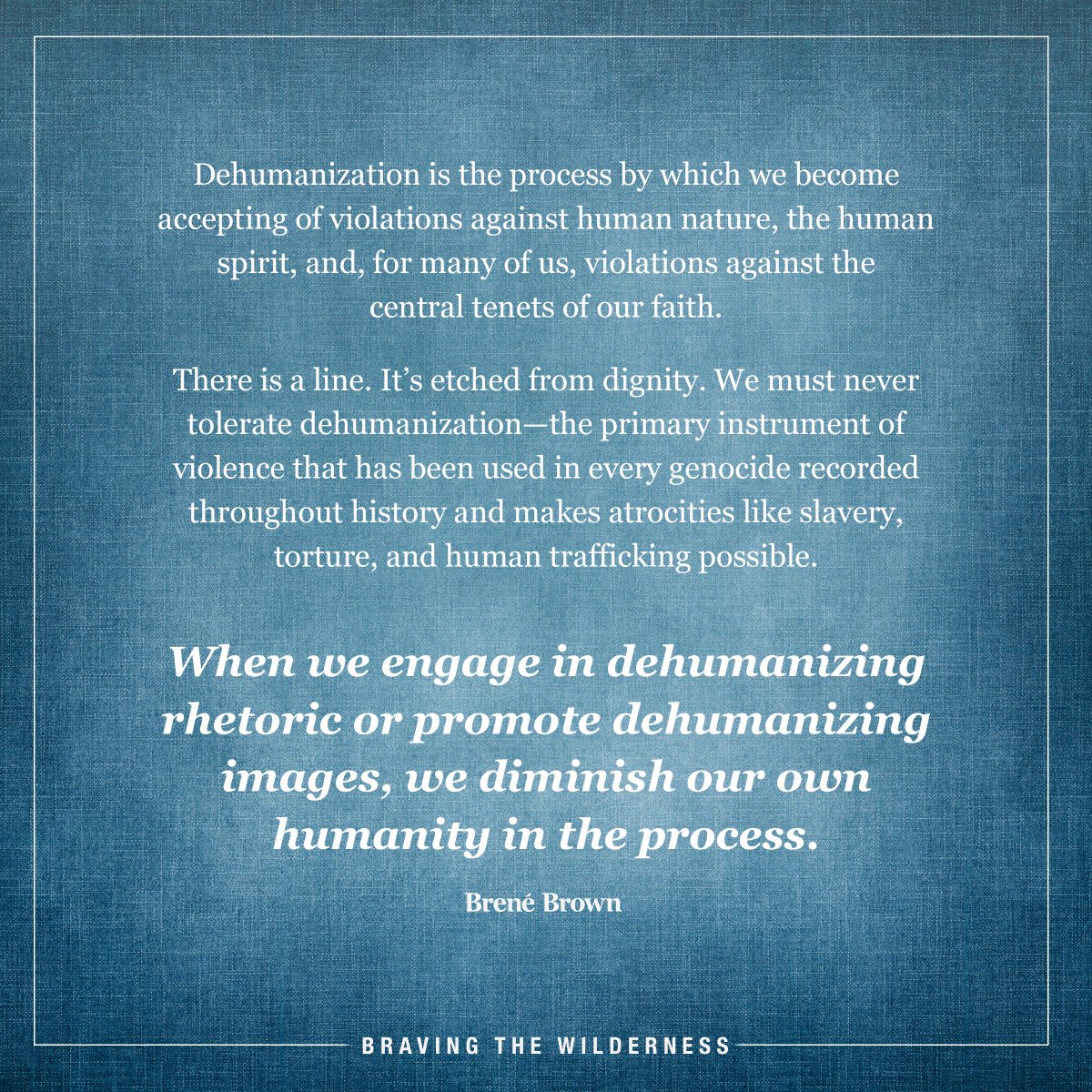
      This part towards the end just touched my heart; Africa had been colonized for so long to the point where they didn't consider themselves equal as human beings. But the war, being willing to fight and give their lives for their freedom, families, and mankind, helped liberate them from their own dehumanization, here's a quote from Doctor Brene Brown about that very topic.
      Come prepared to have fun and share a couple things about what you learned! (that means you don't have to make a presentation unless you really, really want to)

      Saturday, February 23, 2019

      A World Of Unrest 1917-1933

      After the First World War, everyone scrambled to make peace treaties to ensure that there would never be something like, you know, a second world war. Good thing the treaties worked and that didn't happen!!!!!! Oh wait. Anyways, those treaties were important. The most famous was the...

      Treaty of Versailles, please read this.

      Here are some important dates and what happened on them:

      August 18, 1920 - Women are given the right to vote when the 19th Amendment to the United States constitution grants universal women's suffrage.


      June 2, 1924 - All Indians are designated citizens by legislation passed in the U.S. Congress and signed by President Calvin Coolidge. The Indian Citizenship Act granted this right to all Native Americans that had been born within the territory of the United States.

      May 15, 1928 - The first appearance of Mickey and Minnie Mouse on film occurs with the release of the animated short film, Plane Crazy.

      Plane Crazy, so you can watch it

      October 29, 1929 - Postwar prosperity ends in the 1929 Stock Market crash. The plummeting stock prices led to losses between 1929 and 1931 of an estimated $50 billion and started the worst American depression in the nation's history.


      February 18, 1930 - American astronomer Clyde Tombaugh discovers the planet Pluto at the Lowell Observatory in Flagstaff, Arizona. Tombaugh was also known as one of the few serious astronomers to have claimed to sight UFO's.


      April 22, 1930 - The London Naval Reduction Treaty is signed into law by the United States, Great Britain, Italy, France, and Japan, to take effect on January 1, 1931. It would expire on December 31, 1936.


      June 17, 1930 - The Smoot-Hawley Tariff Act is signed by President Herbert Hoover. Its effective rate hikes would slash world trade.


       January 22, 1932 - The Reconstruction Finance Corporation is established to stimulate banking and business. Unemployment in 1932 reached twelve million workers.


      March 4, 1933 - President Franklin D. Roosevelt is inaugurated for the first time. His speech with its hallmark phrase, "We have nothing to fear, but fear itself," begins to rally the public and Congress to deal with great depression issues. His subsequent Fireside Chats, that began eight days later, would continue his addresses with the American public.


      Since we're not gonna have a whole lot of time for Journeyman, which is okay, prepare a short presentation on one of these events and com prepared to share about it.

      "All we have to fear is fear itself." "And Vanguard presentations." "And spiders." -FDR, Isa, And I.

      Thursday, January 3, 2019

      January Journeyman 2019

      Добро пожаловать в класс!!
      Yo!! We're gonna be talking about thE RUSSIAN REVOLUTION!!!

      WATCH A FEW OF THESE:
      Here's a video to watch if you like listening to dramatic guys with a kind of weird voice.. (not Mr. Betts) What if the Russian Revolution Never Happened? after about 6:30 it starts talking about the What Ifs and you can watch that if you'd like.

      Here's an introduction if you like listening to dramatic guys and fun animation The Russian Revolution

      This one is done in a courtroom style, one side defending Lenin and the other against him. I liked this cool TED ED talk, even if his russian accent isn't that great...  History Vs. Lenin

      Here's real Russians sharing their views a hundred years later. The old man at the beginning was sharing TRUTH! What do Russians think about the revolution?

      Heres Khan Acadamy, If you enjoy it. He talks a bit slow for me but that's fine. To each his own, yo.  Overwiew of the Bolshevik Revolution (also I know I put a typo in the link on accident. Deal with it.)

      This one made me laugh because it's like an eleven year old kid explaining history and he's adorable.. or... acceptable... if you don't want to call him cute... A KID EXPLAINS THE RUSSIAN REVOLUTION

      Listen to this song from the Anastasia broadway play about a man remembering the invasion of the Winter Palace years after the event The Neva Flows
      ____
       Come prepared with a short 2-3 minute presentation about what you learned from the videos you chose to watch. It can be a poem, a short story about how you would feel if you were alive during 1917, explain it in a bad russian accent, interpretive dance, a song, a russian themed snack, a real Russian person to talk about it, Lenin's body from the Red Square, a skit, or whatever you'd like! PS, If anyone actually brings Lenin, I'll give you like five bucks or something
      .
      I feel bad that I have to say this, but if you haven't done the work, please don't come to Journeyman. I tried my best to make it as simple and as fun as possible for you guys but it's not fair to the other students or me as the mentor if you didn't do all your homework. I want this to be fun and it will be if everyone does what they're supposed to! But I sincerely hope that all of you get it completed!

      Bring a snack if you'd like to and please send me a message if you're coming so I can know how many people to plan on for the simulation and for a special snack I'm bringing for my COMRADES!

      I'll see you in the Red Square, Loyal Comrades!


      Monday, October 15, 2018

      History Journeyman October 2018

      This week in Journeyman we will be covering 1880 to 1900

      It's only about a twenty year period but a LOT went down... Kinda seems like the world started to fall apart ':)

      Soooo... We're going to spend a great deal of time in Journeyman stepping away from American History. But don't worry, you'll still learn plenty in Apprentice and Masters.
      Please sign up for a country to present on
      Please skim over the information of countries you did not sign up for but pay most attention and do some of your own research for the one you do sign up for! It's alright if we double up.
      Sign up away!!
      Russia:
      Watch this video about Alexander III (the Third). He was the leader of Russia at the time. 
      https://www.youtube.com/watch?v=XGCzmjwfSSs
      The late nineteenth and early twentieth centuries were times of crisis for Russia. Not only did technology and industry continue to develop more rapidly in the West, but also new, dynamic, competitive great powers appeared on the world scene: Otto von Bismarck united Germany in the 1860s, the post-Civil War United States grew in size and strength, and a modernized Japan emerged from the Meiji Restoration of 1868. Although Russia was an expanding regional giant in Central Asia, bordering the Ottoman, Persian, British Indian, and Chinese empires, it could not generate enough capital to support rapid industrial development or to compete with advanced countries on a commercial basis. Russia's fundamental dilemma was that accelerated domestic development risked upheaval at home, but slower progress risked full economic dependency on the faster-advancing countries to the east and west. In fact, political ferment, particularly among the intelligentsia, accompanied the transformation of Russia's economic and social structure, but so did impressive developments in literature, music, the fine arts, and the natural sciences.

      Throughout the last half of the nineteenth century, Russia's economy developed more slowly than did that of the major European nations to its west. Russia's population was substantially larger than those of the more developed Western countries, but the vast majority of the people lived in rural communities and engaged in relatively primitive agriculture. Industry, in general, had greater state involvement than in Western Europe, but in selected sectors it was developing with private initiative, some of it foreign. Between 1850 and 1900, Russia's population doubled, but it remained chiefly rural well into the twentieth century. Russia's population growth rate from 1850 to 1910 was the fastest of all the major powers except for the United States. Agriculture, which was technologically underdeveloped, remained in the hands of former serfs and former state peasants, who together constituted about four-fifths of the rural population. Large estates of more than fifty square kilometers accounted for about 20 percent of all farmland, but few such estates were worked in efficient, large-scale units. Small-scale peasant farming and the growth of the rural population increased the amount of land used for agricultural development, but land was used more for gardens and fields of grain and less for grazing meadows than it had been in the past.
      (bonus points if you mention War and Peace)

      India:


      I encourage you to look up india on your own :)

      Africa (yes, I know it's multiple countries)(not Egypt):

      1880 CE
      The first Anglo-Boer War occurs between British colonisers and the Boer settlers from the Transvaal Republic.
      1881 CE
      The Madhist war in Sudan was one of the most serious anti-colonial rebellions of its time. After heavy casualties, the war ended in Britain’s favour, and led to the establishment of the colonial entity the Anglo-Egyptian Sudan Administration.
      1883 CE
      The first Franco-Hova War occurs, during which Madagascar is invaded by the French. The war resulted in the ceding Antsiranana in the north to France and a large payment to the heirs of Joseph-Francois Lambert, with whom the Lamberts charter was controversially signed by Prince Radama II in 1855. The war ended with the signing of the Treaty of Tamatave in 1886, which gave control over Malagasy foreign policy to the French.
      "Afrikakonferenz" by Gartenlaube 1884 Image Source
      1884 CE
      Improvement of medicines and inventions, such as the machine gun and the steam boat, opens for the European conquest of the interior of the African continent. In 1884, the Berlin Conference is held to divide Africa between the various colonial empires. This begins the scramble for Africa, a decade of rapid conquest by various European powers of the African continent. Ethiopia is the only part of Africa which remains independent.
      1895 CE
      Italy invades Ethiopia, attempting to create a colonial state. After about a year of conflict, Ethiopia emerges victorious.
      The second Franco-Hova War occurs, with the intention of the French to bring the island completely under its protectorate. Starting with the seizing of Tamatave, the French Army marched to Antananarivo (the capital) under General Duchesne. A treaty was eventually signed making Madagascar a full Protectorate of the French Government.
      1899 CE
      The Second Anglo-Boer War occurs and becomes known as the most destructive modern armed conflict in South Africa’s history.
      (boer war is a bit of a tongue twister :P)

      France (I only put this down to discuss Louis Le Prince):
      Learn about Monet!
      And Van Gogh!
      Annnnndddd.... LOUIS LE  PRINCE
      louis-le-prince-created-the-first-ever-moving-pictures/
      I cannot explain why I love this man so much?? Is it the mysterious disapperance??? That he created the camera before Edison??? I don't know. But I just think he's neat

      Japan:
      Read about Japan
      Study and learn on your own :)

      Mexico:
      In 1865 the US civil war ended and they US govt demanded that France withdraw its troops from Mexico. The French were also threatened by the growing power of Prussia and they were forced to leave. Without French troops to support him Maximilian was in a hopeless situation. His army was defeated in battle at Queretaro in 1867 and he was captured and shot.
      Mexico became a republic again under president Juarez. In 1876 Porfirio Diaz staged a coup and became dictator.
      Under Diaz some economic progress was made and the population grew rapidly. (By 1910 it was 15 million). Railways were built and mining boomed. Mexico exported sisal, rubber, cochineal, coffee and sugar.
      However in the late 19th century many Mexicans continued to live in great poverty and their resentment eventually boiled over into revolution.

      In the early years of the 20th century Diaz lost support. In 1910 a Presidential election was held. Francisco Madero stood as a candidate against him. However Diaz imprisoned Madero and won the election with a huge majority. Madero escaped to Texas where he denounced the election as fraudulent and called for a rebellion

      Egypt:
      http://www.nationalarchives.gov.uk/battles/egypt/


      There we go! I'm excieted to see everyone in journeyman!